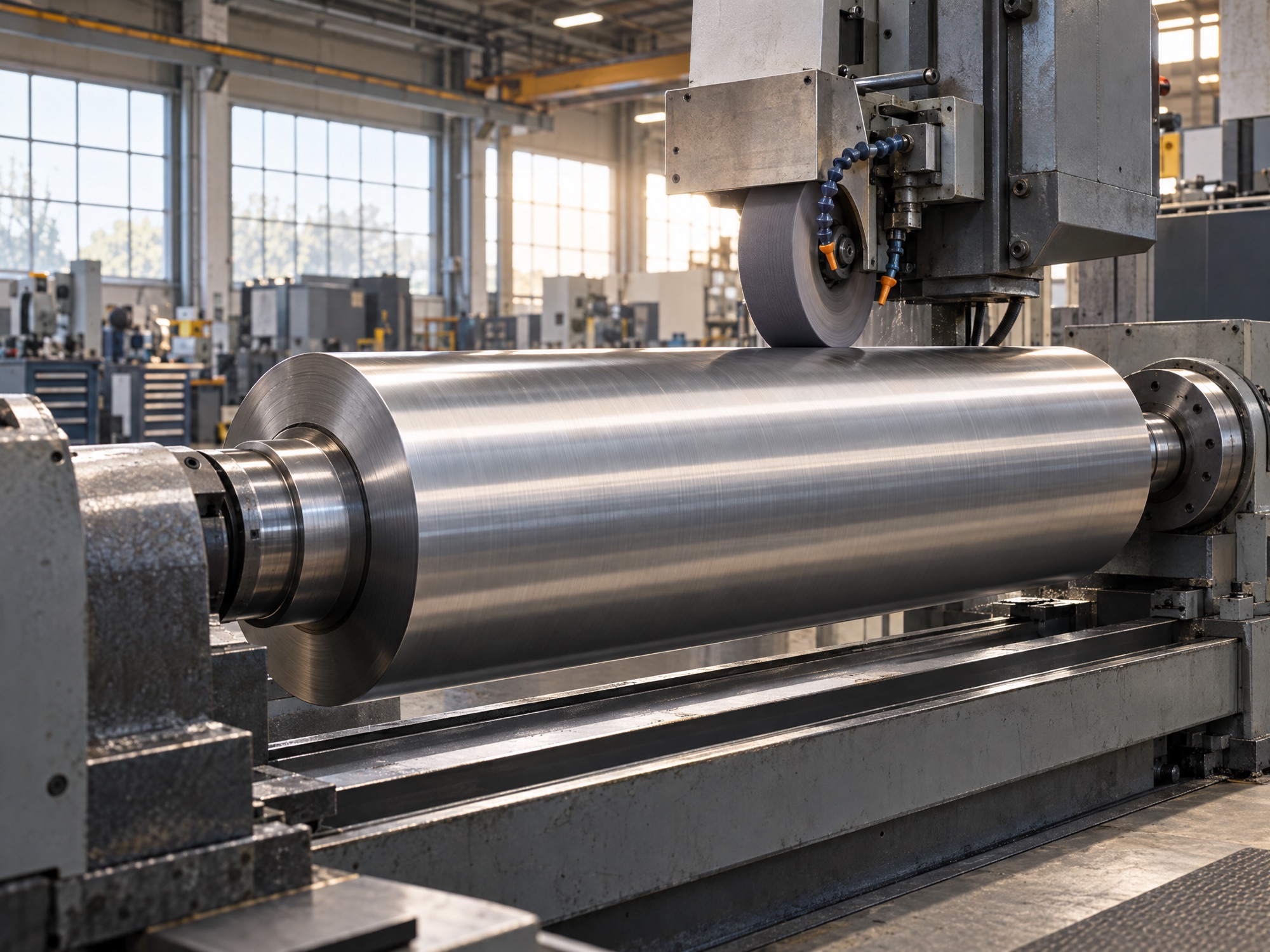
Hard chrome and ceramic are broad names for different industrial surface systems. Neither is automatically the best choice: the correct comparison depends on the coating chemistry, layer structure, base material, contact conditions and maintenance plan. This is a general engineering guide, not a claim that Qichao supplies every treatment described.
Compare the working conditions first
Define the web or mating component, contact pressure, sliding or rolling action, speed and temperature. List the cleaning agents and any corrosive or abrasive substances. A layer that resists one wear mechanism may perform poorly against another; ask for evidence relevant to the actual environment rather than accepting a generic ‘wear-resistant’ label.
Surface and dimensional requirements
Hard chrome is an electroplated metallic layer; ceramic refers to a family of non-metallic materials that can be applied through different processes. Surface texture and the finishing route vary by system. If the coating transfers or contacts a film, specify texture, local defects and final geometry on the finished roller, not just on the substrate before treatment. Adhesion and allowable repair methods also require agreement.
Maintainability and total cost
Compare the initial surface preparation, inspection, possible stripping or repair, downtime and disposal requirements. Local environmental and workplace rules for plating or coating are relevant to the supplier's process. Do not assume that every worn roll can be recoated, or that a coating's advertised hardness predicts its service life.
Questions for an enquiry
Send a drawing, the existing layer if known, photographs of wear, process chemistry and the desired inspection requirements. Ask which treatments are available for the project, who performs them, what documents can be supplied and whether the old roller is suitable for repair. Confirm the selected construction before ordering.